Shingle vs Metal vs Tile in Brevard's Salt Air: Which Roof Lasts Near the Coast
Shingle vs Metal vs Tile in Brevard's Salt Air: Which Roof Actually Lasts Near the Coast
Ask three Brevard roofers which material is best and you will get three sales pitches. Here is the version without one. Shingle, metal, and tile all pass Florida code when installed correctly. What separates them on the Space Coast is how fast salt air works on each one, what the manufacturer's warranty actually covers at your address, and where each material puts you when Florida's 15-year insurance rule comes calling. Those three factors, not the brochure, should drive the decision.
Salt air is a distance problem, not a yes-or-no problem
Salt exposure is not uniform across Brevard. A roof in Satellite Beach or Indialantic sits on a barrier island a few blocks from open Atlantic surf. A roof on Merritt Island sits between two brackish lagoons. A roof in Rockledge or Viera is miles from the ocean but still close to the Indian River Lagoon. Corrosion pressure drops off sharply with distance from salt water, and roofing manufacturers know it. That is exactly why their warranties draw distance lines, which most homeowners never read until a claim gets denied.
So the first question is not "which material is best." It is "how far is my roof from salt water, and what does each manufacturer's warranty say about that distance."
Asphalt shingles: cheapest up front, shortest clock
Architectural asphalt shingles remain the most common roof in Brevard County for one reason: upfront cost. Nothing installs cheaper or faster.
The tradeoff is lifespan. Florida's UV load, heat, and humidity break down the asphalt binder years faster than in northern states. Florida roofers consistently put architectural shingles at 15 to 20 years of realistic service life here, with entry-level 3-tab products below that. Salt air does not corrode shingles the way it attacks metal, but coastal humidity feeds the algae streaking common on Brevard roofs, and repeated wind-lifting near the coast loosens shingles long before a named storm shows up.
Shingles make sense on a budget, on a mainland lot, or when you plan to sell within a decade. Just go in with a clear-eyed view of the replacement clock, because the insurance section below is where that clock gets expensive.
Metal: the material matters less than which metal
Metal has the strongest coastal case in Brevard, but "metal roof" is doing a lot of work in that sentence. The two residential options behave differently in salt air.
Aluminum does not rust. It forms a passive oxide layer that shrugs off salt spray, which is why it is the default specification for oceanfront and near-coast work.
Galvalume, a steel core with an aluminum-zinc coating, performs well inland and costs less. But read the mill warranty before you buy it near the water. Standard Galvalume warranties from major suppliers, including ArcelorMittal and Metal Sales, exclude installations within 1,500 feet of a salt water environment. Put a Galvalume roof two blocks from the beach and the substrate warranty may be void the day it is installed. Some coastal metal warranties also condition coverage on periodic freshwater rinsing, with documentation.
Here is the Brevard-specific wrinkle: much of the county's water is the brackish Indian River Lagoon system, not open ocean, and manufacturers word their exclusions differently ("salt water environment," "marine atmosphere," "breaking surf"). Whether a lagoon-front lot in Rockledge or Merritt Island falls inside an exclusion is an interpretation question. Get the manufacturer's answer for your specific address in writing before you sign, not after a coating fails.
Properly installed standing seam metal is also the strongest wind performer of the three and typically runs decades longer than shingles. You pay for that up front, roughly two to three times shingle cost.
Tile: salt-proof, but your trusses get a vote
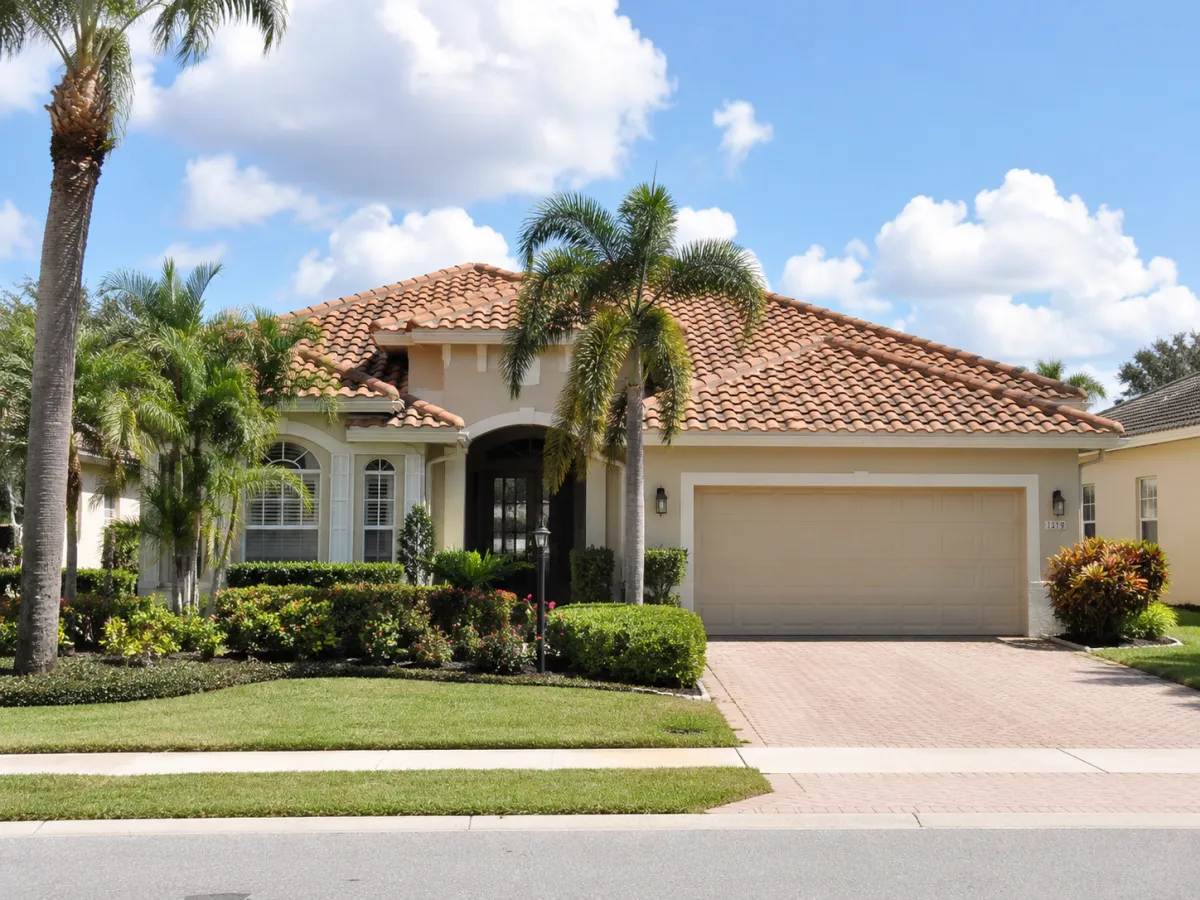
Fired clay tile is effectively immune to salt. Concrete tile resists it well too, though concrete is more porous than clay and absorbs more water, which matters in storm-driven rain. Either way, tile's coastal durability problem is not corrosion. It is weight and installation quality.
Tile is heavy enough that switching from shingles usually means an engineering check on your trusses, and sometimes reinforcement. Uplift performance depends heavily on the attachment method, and cracked tiles from foot traffic are the most common service issue. A well-installed tile roof in Brevard is a multi-decade roof with the best curb appeal in the Mediterranean-style neighborhoods of Viera and Suntree. A poorly installed one is a leak with good looks.
The 15-year insurance rule changes the math
This is the part competitors' material comparisons skip. Florida Statute 627.7011 sets two thresholds that interact directly with your material choice. If your roof is under 15 years old, an insurer cannot refuse to write or renew your policy solely because of the roof's age. At 15 years or older, you have the right to an inspection at your own expense, and if it shows at least 5 years of useful life remaining, the insurer cannot require replacement solely based on age.
Now run each material through that framework. An architectural shingle roof with a 15-to-20-year Florida lifespan hits the 15-year threshold at the same time it is nearing the end of its real service life. Passing a 5-years-remaining inspection at year 16 or 17 is a coin flip, and coastal exposure shortens the odds. A metal or tile roof at year 15 is barely into middle age and clears that inspection with room to spare.
That means the true cost gap between shingles and metal or tile is narrower than the install quotes suggest. The premium materials buy you decades of leverage in the annual fight to keep affordable coverage, on top of the wind-mitigation credits that come with any new code-compliant roof. One honest caveat: the mitigation credits themselves are driven mostly by attachment details (deck nailing, roof-to-wall connections, secondary water barrier), not the surface material. A new shingle roof earns them too. The material decides how long the whole package stays insurable without a fight.
How to choose by address
Barrier island (Cocoa Beach, Satellite Beach, Indialantic, Melbourne Beach): aluminum metal or tile. Check every warranty's salt water exclusion; assume you are inside it until proven otherwise.
Merritt Island and lagoon-front mainland: metal or tile still lead. If Galvalume pricing tempts you, get the manufacturer's written position on lagoon exposure first.
Mainland (Rockledge, Viera, west Melbourne, Titusville, Palm Bay inland): all three materials are on the table. The decision becomes budget versus the 15-year insurance clock.
Talk it through before you commit
We install shingle, metal, and tile roofs across Brevard County and will tell you which one fits your address, your trusses, and your budget, including when the cheaper option is the right call. Check our roofing services, read our reviews, or ask about financing if the better long-term material is stretching the budget today.
Call (321) 487-5424 or contact us for a straight answer. Local Roofing Experts serves Rockledge, Cocoa, Merritt Island, Titusville, Melbourne, and all of Brevard County. Florida license #CCC1335645.